

Hindalco Industries Limited (HIL)


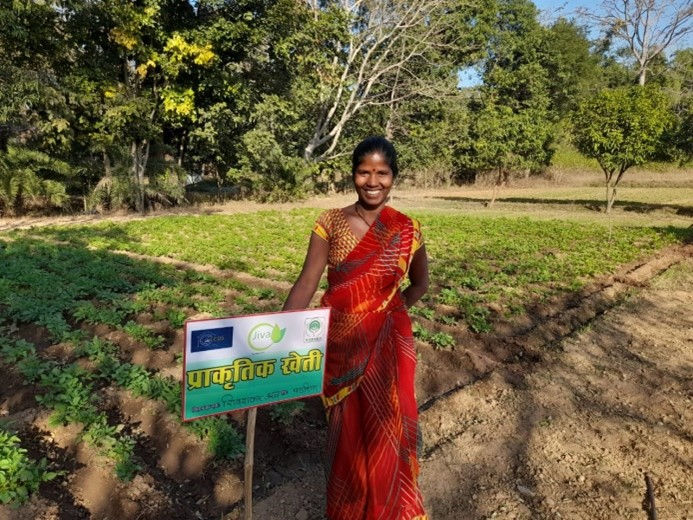

Since 2019, CCDS has been associated with Hindalco Industries Limited (HIL) for implementing various Corporate Social Responsibility (CSR) and community development initiatives aimed at improving livelihoods, promoting sustainable agriculture, developing skills, and creating income-generating opportunities for rural communities.
1. Bio-Park – Muri, Ranchi, Jharkhand
Under the CSR partnership, CCDS has been involved in the development and management of the Bio-Park at Muri, Ranchi. The initiative focuses on promoting sustainable livelihood activities, horticulture, plantation, environmental development, and community participation. The Bio-Park also serves as a platform for demonstrating sustainable agricultural and livelihood practices.
2. Livelihood & Skill Development – Gare Palma, Raigarh, Chhattisgarh
At Gare Palma, Raigarh District, Chhattisgarh, various livelihood-oriented training programmes have been undertaken for the local community. These include Apiculture (Beekeeping), Horticulture, Sericulture-related activities and training on preparation of Mahua-based products such as Mahua Pickle. These interventions are designed to promote local resources, develop entrepreneurial skills, and create additional sources of income for rural households.
3. Wadi & Integrated Livelihood Development Programme
CCDS has also implemented Wadi and integrated livelihood development activities, focusing on agriculture, horticulture, food processing, and allied livelihood opportunities. Under the initiative, millet plantations have been promoted along with food-processing activities, enabling beneficiaries to utilize agricultural produce for value addition and income generation.
The programme has further included pearl farming, bamboo handicraft training, and apiculture (beekeeping) training, providing beneficiaries with diversified livelihood options beyond conventional agriculture.
Through these CSR initiatives, CCDS and Hindalco Industries Limited work together to promote sustainable livelihoods, skill development, environmental sustainability, value addition, and income generation among rural and economically vulnerable communities. The programmes are designed to encourage local entrepreneurship, improve the utilization of available natural resources, and create long-term livelihood opportunities for beneficiary communities.