

The WADI


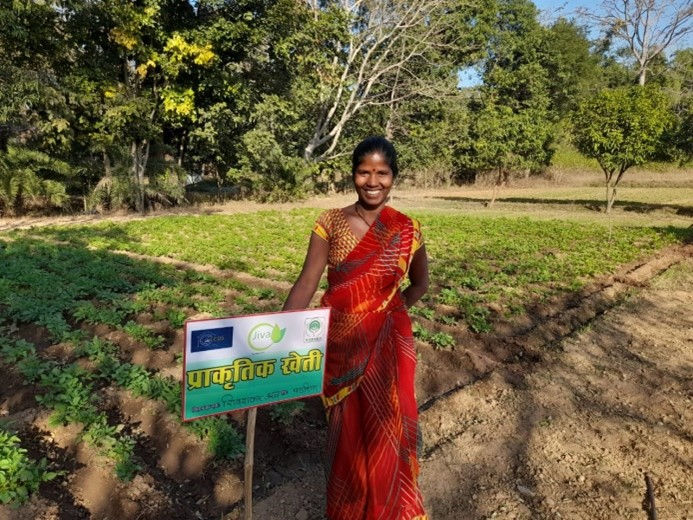

The WADI Project is a holistic rural livelihood and natural resource management initiative aimed at improving the socio-economic conditions of small and marginal farming households through sustainable agriculture and horticulture-based interventions. The project promotes climate-resilient farming practices while enhancing income, nutrition, and environmental sustainability.
During the project period, a range of integrated development activities were implemented. Agri-Horti interventions were undertaken to establish fruit orchards alongside agricultural crops, enabling farmers to diversify their income sources and improve long-term productivity. Intercropping was promoted to maximize land utilization, enhance soil fertility, reduce production risks, and provide additional seasonal income to farming families.
To strengthen livelihood security, livestock development activities were carried out by promoting improved animal husbandry practices, thereby creating supplementary income opportunities. Watershed development activities, including soil and water conservation measures, were implemented to improve groundwater recharge, conserve natural resources, and enhance the productivity of agricultural land.
The project also organized health camps to improve the health and well-being of rural communities by providing basic health check-ups, medical consultation, health awareness, and access to essential medicines. These initiatives contributed to improved community health and increased awareness of preventive healthcare practices.
Overall, the WADI Project has adopted an integrated approach to sustainable rural development by combining agriculture, horticulture, livestock, natural resource management, and community health interventions. The project has contributed to strengthening farmers' livelihoods, enhancing environmental conservation, improving food and nutritional security, and building resilient rural communities.